Bearing is a kind of sliding parts commonly used in mechanical industry, and its material is different from metal, nonmetal and composite materials.
Learn MoreThe carbon content of molten steel largely determines the strength, hardness and weldability of steel. However, steelmaking is essentially a process of "burning off carbon": oxygen blowing in converters reduces carbon, and further decarburization takes place during refining. This often results in a carbon deficit by tapping time — and this is where carburizers come in.
An inevitable outcome of converter operations. Steel grades have vastly different carbon requirements: low-carbon steel calls for the lowest possible carbon content, while bearing steel and spring steel demand precise carbon targets.
Insufficient carbon equivalent from furnace charge. Electric arc furnaces and induction furnaces mainly use scrap steel, which introduces carbon in an erratic, uncontrollable manner. Reliance on burden blending alone cannot stabilize carbon targets.
Fine-tuning of chemical composition. Carbon interacts with manganese, silicon and chromium in proportional relationships. A deviation of 0.05% may cause the strength or hardenability to fall out of specification.
Carburizing agents are used for surface carburizing and hardening of steel parts. Graphite electrode powder serves as a conductive material for electric arc furnaces. Mixing them up leads to failures on both fronts: a carburizer cannot form a hardened surface layer, while a carburizing agent will introduce ash into molten steel.
Selecting a carburizer is a trade-off between cost and quality. The deciding factor is not price, but the impurity limit specified for the target steel grade. The core goal of all specifications is to replenish carbon without introducing impurity contamination or uneven composition.
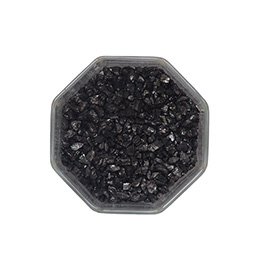
Petroleum coke-based: The most widely used and lowest-cost option with high fixed carbon, yet relatively high sulfur, vanadium and nickel contents.
Graphite-based: Extremely low impurities, virtually free of vanadium and nickel, but high graphitization degree and higher cost.
Pitch coke-based: An earlier route, mostly used for sulfur-sensitive steel grades.
Compound blended type: A mixture of different raw materials to balance cost and performance indicators.
Therefore: Petroleum coke-based carburizers suit steel grades with lenient carbon tolerance; graphite-based carburizers are for high-cleanliness steel grades with strict limits on sulfur, phosphorus and vanadium. The selection criterion is impurity limits rather than price.
First, confirm whether the stated "98% fixed carbon" is on a dry basis or as-received basis. After conversion, the actual value may drop to only 95.5%. Inadequate verification will lead to systematic under-dosing. Second, include upper limits for sulfur, phosphorus and vanadium in the purchase contract. Off-target carbon content can be corrected, but incoming impurities require extra cost for removal.
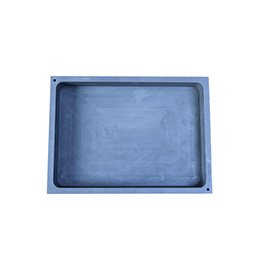
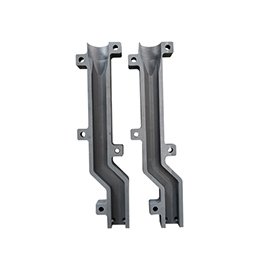
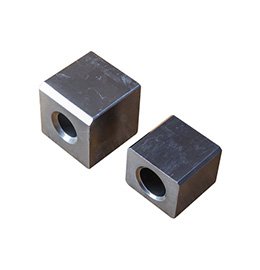
Bearing is a kind of sliding parts commonly used in mechanical industry, and its material is different from metal, nonmetal and composite materials.
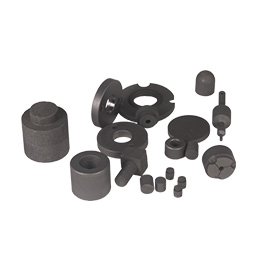
Learn MorePermanent selection of high-quality graphite materials for special processing, with high temperature resistance, good self-lubricating performance, easy to push and pull, not easy to attach to other objects,
Learn MoreThe wear-resistant and oxidation-resistant SIC coating is a kind of high-performance wear-resistant and oxidation-resistant material, which is composed of high-performance silicon carbide and graphite surface by CVD.
Learn MoreWear resistant carbon and graphite products are often used as structural materials in mechanical industry and chemical production, and have become an important branch of carbon and graphite products industry.
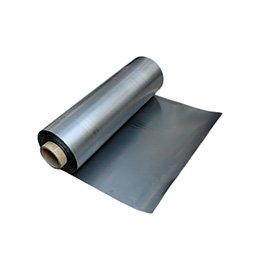
Learn MoreThe natural high carbon flake graphite is made by chemical treatment and rolled by high temperature expansion.
Learn MoreAfter years of research and development. Qingdao Duratight focus to supply customers carbon additive/Graphite Petroleum Coke(GPC) with high carbon
Learn More